Burnt Rice Husk: Eco-Friendly Planting Medium with High Economic Value
Admin 11 Agustus 2025 1x
Rice husks are rich in carbon, which improves soil structure and helps the soil absorb water. Furthermore, they contain silica, which strengthens plants and supports the growth of soil microorganisms.
After fermentation, rice husks become an additional source of nutrients for plants and help reduce agricultural waste.
Silica has various uses, such as a catalyst, an ingredient in ink, a concrete hardener, a component of detergents and soaps, and as a hardener in brickmaking. Silica has various uses, such as a catalyst, an ingredient in ink, a concrete hardener, a component of detergents and soaps, and as a hardener in brickmaking. Other growing media, such as burnt rice husks, are also used.
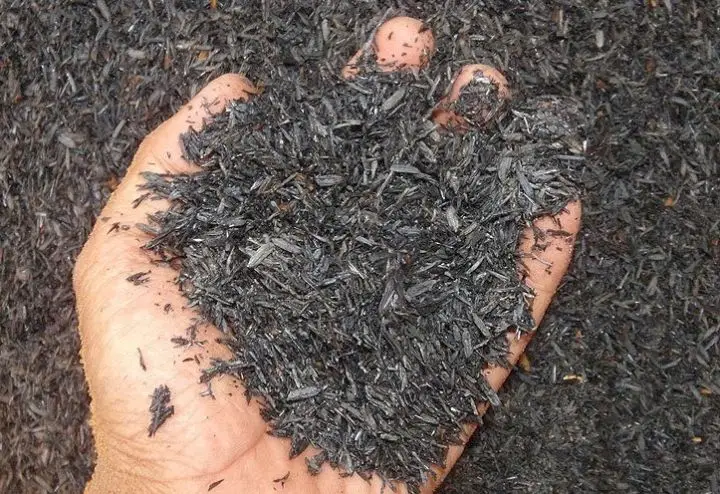
There are two types of rice husks: raw rice husks and burnt rice husks.
The benefits of burnt rice husks for plants include:
1. Improving Soil Structure
The use of burnt rice husks is believed to maintain the quality of soil structure, keeping it loose.
This is because the husks have high porosity and are lightweight. Loose soil allows plants to absorb nutrients well, provides adequate air and nutrients, and maintains moisture around the roots.
Mix burnt rice husks with a growing medium, such as a pot or polybag.
This will ensure plants thrive.

2. Can Bind Nutrients in the Soil
Burnt rice husks have numerous pores, which are usually large but still lightweight.
These pores are very useful for binding and absorbing nutrients in the soil.
When nutrients are maximally absorbed, they won't dissolve when watered.
Furthermore, the pores serve as a breeding ground for microbes or microorganisms that are beneficial to plants.

3. Improving Soil Acidity
Burnt rice husks have a fairly high pH, around 8.5 to 9.0.
This makes them suitable for use in acidic soils to increase their pH.
This pH level has the advantage of being less attractive to weeds and bacteria.
Soil pH is important because it contains nutrients such as nitrogen (N), potassium (K), and phosphorus (P).
Plants require specific amounts of these nutrients to grow, thrive, and resist pests and diseases..

4. Plants Resilient to Pests and Diseases
In fact, plant pests and diseases affect plant growth and development.
Growth is often reduced.
This is usually caused by microorganisms such as viruses, bacteria, and fungi.
Nutrients that should be absorbed by the plant are instead absorbed by the pests and diseases.
Applying burnt rice husks can isolate the disease and absorb toxins from the plant.
Burnt rice husks can be used as an antidote to suppress certain pathogenic microbes.
The silica content in the husks can also strengthen the leaves, making them more upright.

5. Treating Soil Damaged by Chemicals
Burnt rice husks can apparently treat soil damaged by chemicals.
Moms and Dads simply need to add them to soil damaged by chemicals.
The soil structure becomes more water-absorbing, aerated, and drains better.
This improves the soil's water-holding capacity, preventing it from drying out quickly.
Erosion is reduced and provides a favorable environment for seed sprouts and plant roots to grow.
In addition to applying burnt rice husks, try to care for your plants by fertilizing them regularly according to their needs.